Plastpave Zambia is building practical, accessible recycling systems that empower communities to turn plastic waste into value. Our locally designed, energy-efficient technologies make circular economy solutions achievable in both rural and urban environments.
Plastpave Zambia was founded on a simple belief: recycling should not be a technical mystery reserved for specialists. It should be practical, accessible, and economically empowering.
We are a circular economy innovation platform that designs locally adapted recycling technologies that transform plastic waste into durable infrastructure and sustainable income streams.
To convert plastic waste into durable infrastructure and scalable grassroots enterprises using locally built, energy-efficient systems.
To become Zambia’s leading grassroots circular economy platform, enabling communities nationwide to transform waste into opportunity.
We believe waste is a resource, technology must be affordable and local, and communities should drive circular solutions reducing poverty.
Our systems are engineered to operate efficiently in Zambia’s real conditions and Africa at large — variable power supply, limited capital access, and diverse community structures. We prioritize simplicity, durability, and cost-effectiveness.
The Waste to Infrastructure Initiative is a community-driven circular economy project designed to transform plastic waste into valuable infrastructure while creating environmental, educational, and economic benefits for local communities.
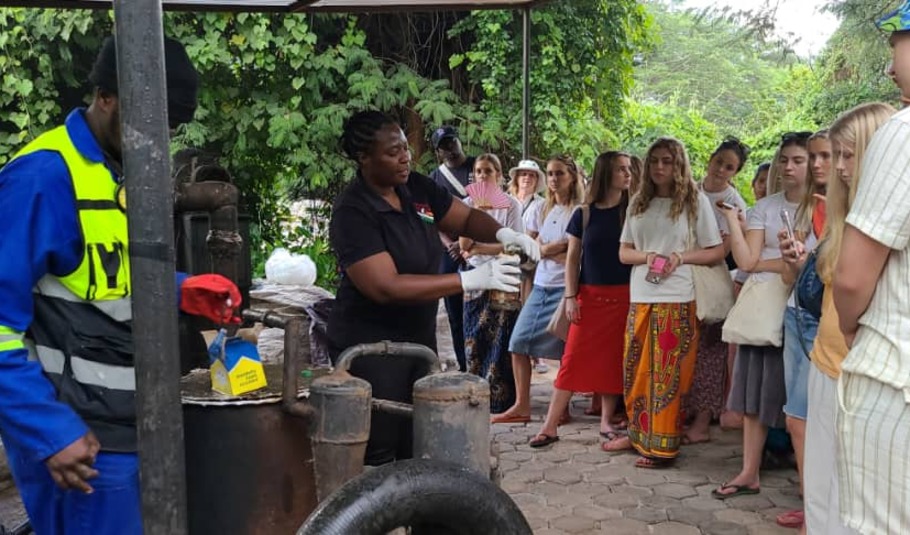
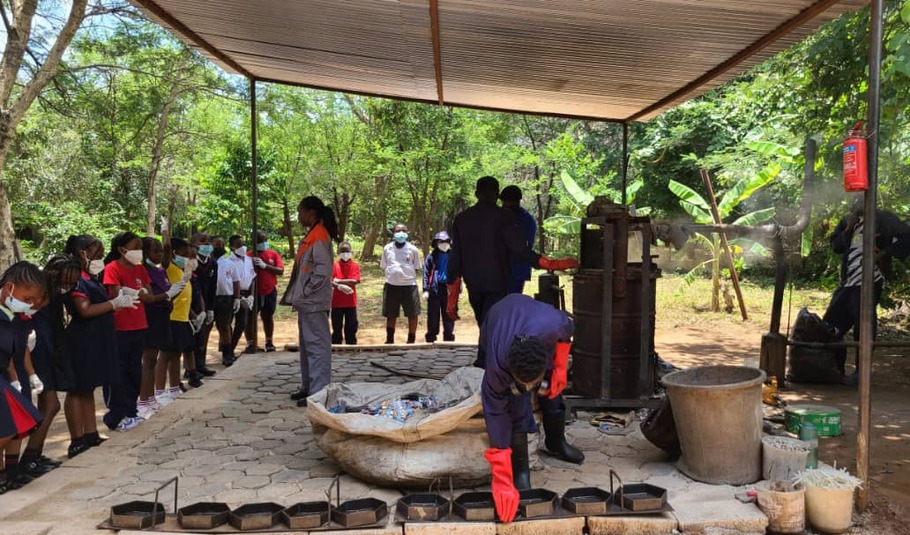
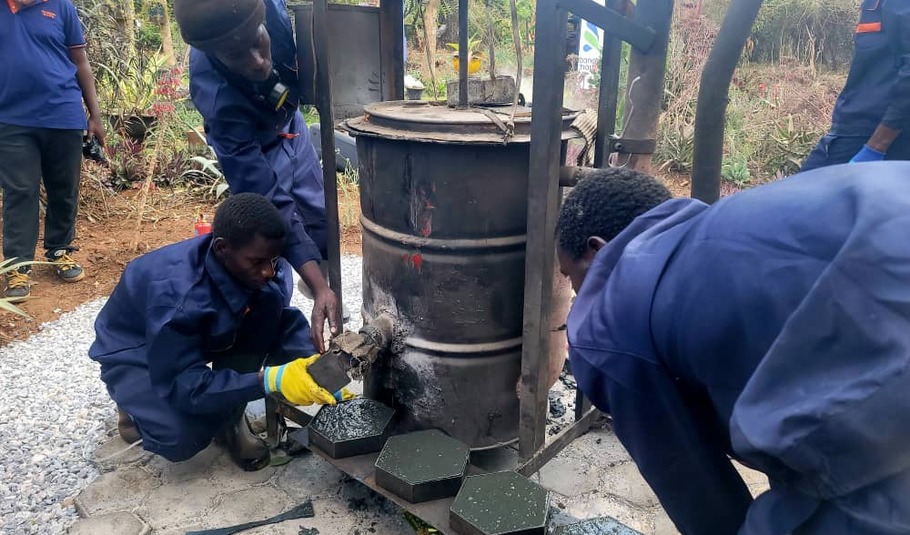
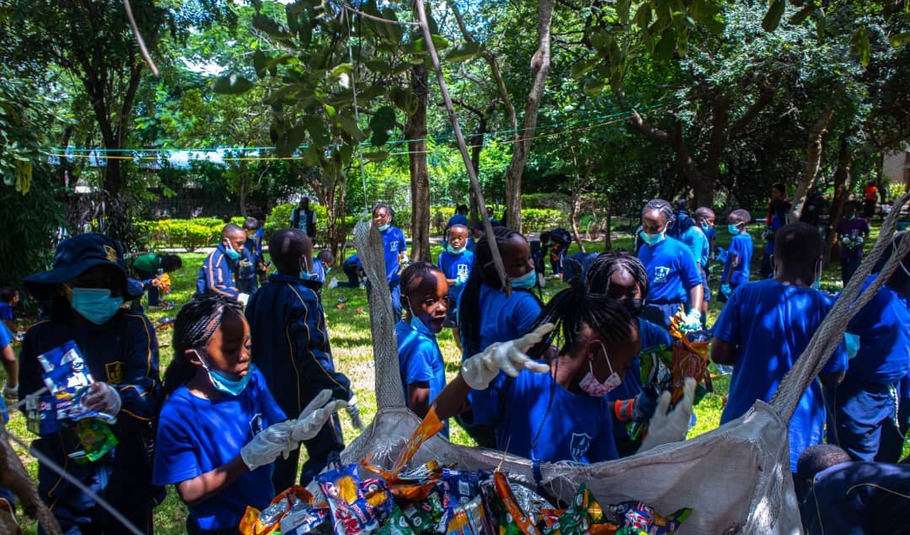
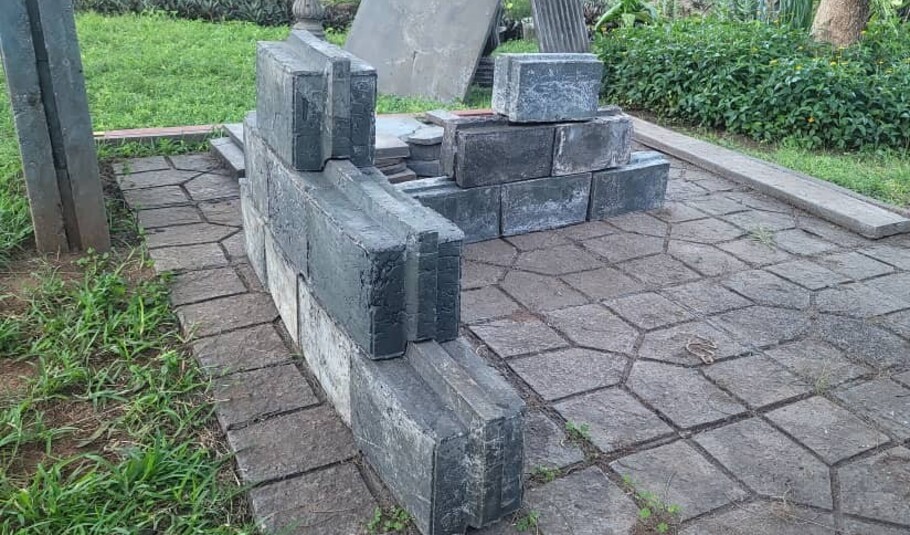
Through this initiative, Plastpave Zambia collects hard-to-recycle plastic materials such as bottles, snack wrappers, and water sachets from communities and schools, preventing them from polluting the environment. Instead of being discarded, this waste is processed using Plastpave’s locally developed recycling technology and converted into durable construction materials including pavers, interlocking blocks, slabs, boards, and other infrastructure products.
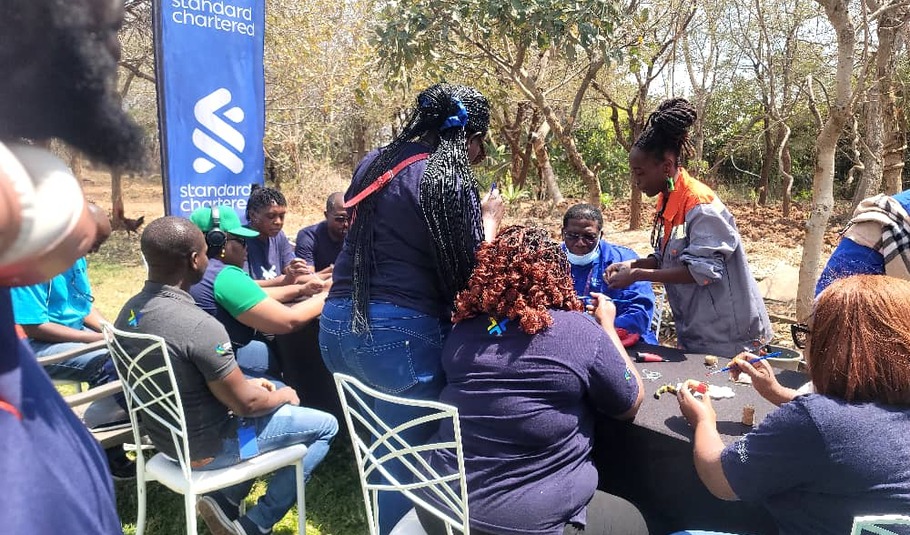
The initiative establishes community recycling hubs equipped with Plastpave’s Chitukuko Kit plastic processing system. These hubs allow plastic waste to be processed directly within communities, reducing transportation costs while promoting local ownership of recycling activities. Community members, teachers, and youth leaders receive hands-on training in plastic sorting, recycling techniques, and product manufacturing, enabling them to operate the hubs and develop recycling-based enterprises.
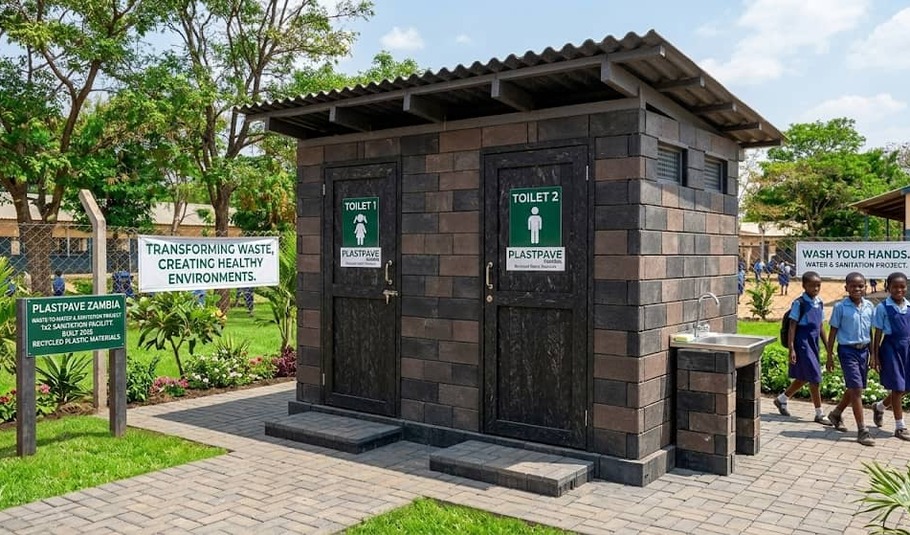
A key demonstration component of the project is the construction of eco-san sanitation facilities using recycled plastic construction materials produced through the recycling hubs. This approach not only addresses plastic pollution but also contributes to improved sanitation infrastructure in underserved communities.
The initiative follows a simple but powerful circular model: waste is collected, sorted, processed into recyclable material, moulded into useful products, and then used to build community infrastructure.
By combining waste recovery, technology, training, and infrastructure development, the Waste to Infrastructure Initiative demonstrates how plastic waste can be transformed into valuable resources that support sustainable development, environmental protection, and community empowerment across Zambia.
WhatsApp us